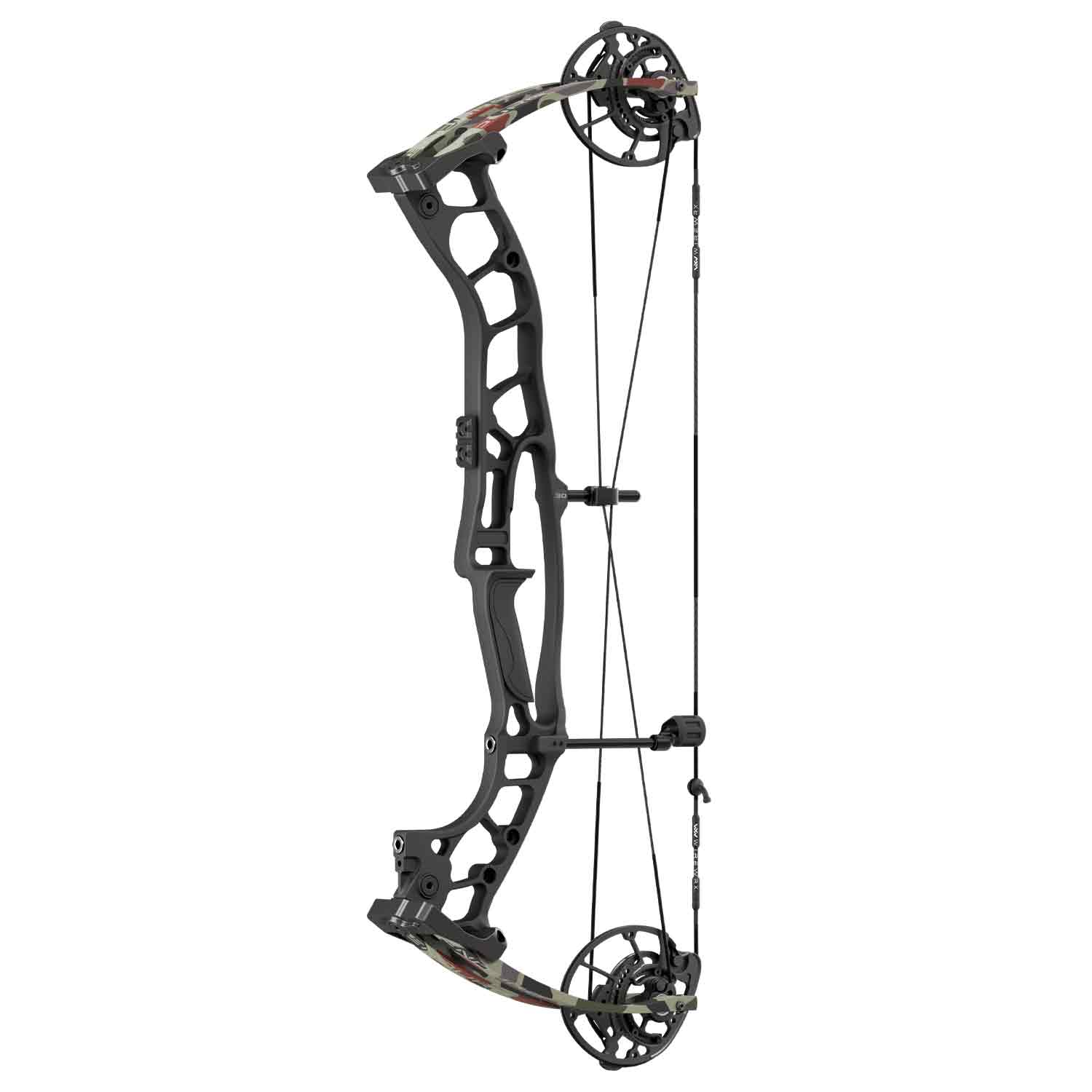
Hoyt
Hoyt Enduro
Hoyt discontinued the long-running Torrex line for 2026; the Enduro is its direct replacement and the only way into a current Hoyt for under $1,000 ($749 bare, $899 ready-to-hunt). Price shown is the bare bow. It is a genuine trickle-down play: the HBX Enduro cam (from the flagship RX/Alpha family), an in-line Picatinny sight rail, Integrate rest dovetail, and press-free shim tuning that replaces the Torrex's old yoke system. Rated 328 fps ATA with a forgiving 7-inch brace on a compact 30-inch frame, it tested at real-world speeds in the high 280s with hunting-weight arrows at 29 inches - typical honesty gap for the class. Community verdict on ArcheryTalk is 'a decent evolution of the Torrex, nothing spectacular': refined draw, firm wall, but a crisp post-shot twang that wants a stabilizer. Early-production bows had draw stops that could slip past the cable and Picatinny spacer fitment issues - both free fixes at Hoyt dealers, worth checking on used or early stock. At 4.65 lb it is the heaviest bare bow here, and you are paying some brand premium versus a Bear Alaskan XT that rates faster for $150 less.
Specifications
Highlights
Pros
- ✓Flagship-derived HBX cam with smooth draw and firm back wall
- ✓7-in brace height is the most forgiving in this group
- ✓Modern in-line mounting: Picatinny sight rail plus Integrate rest dovetail
- ✓Shim tuning system is simpler and more precise than the old Torrex yokes
- ✓328 fps ATA is quick for a 7-in-brace bow
- ✓Hoyt dealer network and resale value are the strongest here
Cons
- ✗Heaviest bow in the class at 4.65 lb bare
- ✗Noticeable post-shot twang until you add a stabilizer
- ✗Early-production draw-stop slip and Picatinny spacer issues (free dealer fixes)
- ✗$749 buys only a bare bow - the RTH package pushes to $899
- ✗Community verdict is evolution, not revolution, over the Torrex it replaces
Owner Insightssummarized from ArcheryTalk, Reddit, and owner reviews
Hoyt killed the long-running Torrex line for 2026 and replaced it with the Enduro — now the only way into a current Hoyt for under $1,000. The pitch is genuine trickle-down: the HBX cam family from the flagship RX/Alpha bows, an in-line Picatinny sight rail, the Integrate rest dovetail, and press-free shim tuning in place of the Torrex's dated yokes. Forum reception has been warm but measured — the recurring ArcheryTalk phrasing is 'a decent evolution, nothing spectacular,' which undersells how much better the cam is and fairly flags that nothing else about the bow is surprising.
The draw is where the money went. Where the Torrex leaned on a friendly but basic Cam & 1/2, the Enduro pulls with the same rolling, planted feel as Hoyt's four-figure carbon rigs, into a firm wall at 80 percent letoff. The 7-inch brace is forgiving, and the bow's one vice-turned-virtue is mass: at 4.65 lb bare it's the heaviest in its class, but that weight holds dead-steady with little hand torque. At the shot there's a crisp twang that a stabilizer mostly cures. Two early-production issues are worth knowing: draw stops that could slip past the cable and stick the bow at full draw, and Picatinny spacer fitment problems — both free dealer fixes, both worth verifying on early or used stock.
The Enduro is the logistics pick of the mid-range: a Hoyt dealer in every town, the strongest resale value in the class, and the flagship accessory ecosystem (Picatinny sights, Integrate rests, SL side bars) at the lowest price of entry. Its shooting-quality rival is the Darton Consequence 31 at $800 — better draw and adjustability, nearly invisible dealer network — and value shoppers will note a Bear Alaskan XT rates faster for $150 less. Buy the $749 bare bow and pick your own accessories over the $899 RTH kit if you can stretch; the in-line mounts deserve better than package-grade parts.
What owners like
- +The flagship HBX cam trickled down — the draw has the same rolling, planted feel as Hoyt's four-figure carbon bows, and it's a clear class above the old Torrex's Cam & 1/2
- +Forgiving 7" brace height
- +Modern mounting done right: in-line Picatinny sight rail plus the Integrate rest dovetail, at $749
- +Shim tuning replaces the Torrex's old yoke system — simpler, more precise, and something a careful owner can do
- +The extra mass holds dead-steady on target with little hand torque
- +Hoyt's dealer network and resale value are the strongest of any mid-range bow
- +328 fps ATA rating is quick for a 7"-brace bow
Common complaints
- −The honest ArcheryTalk verdict: a decent evolution of the Torrex, nothing spectacular
- −Early-production draw stops could slip past the cable and lock the bow at 100% letoff at full draw — Hoyt replaces them free, but check any used or early-stock bow
- −Early bows also had Picatinny spacer fitment issues (same deal: free dealer fix)
- −4.65 lb bare — heaviest bow in its price class
- −Crisp post-shot twang until you add a stabilizer
- −$749 buys the bare bow only; the ready-to-hunt package pushes it to $899
- −Real-world speeds land in the high 280s with hunting-weight arrows at 29"
Common Questions
What draw length and weight options does the Enduro have?
What's this about early Enduros sticking at full draw?
Should I buy the bare bow or the ready-to-hunt package?
Is the Enduro really just a Torrex with new stickers?
How heavy is it, and does that matter?
Hoyt Enduro vs Darton Consequence 31?
Compare the Hoyt Enduro
Related bows
More from Hoyt →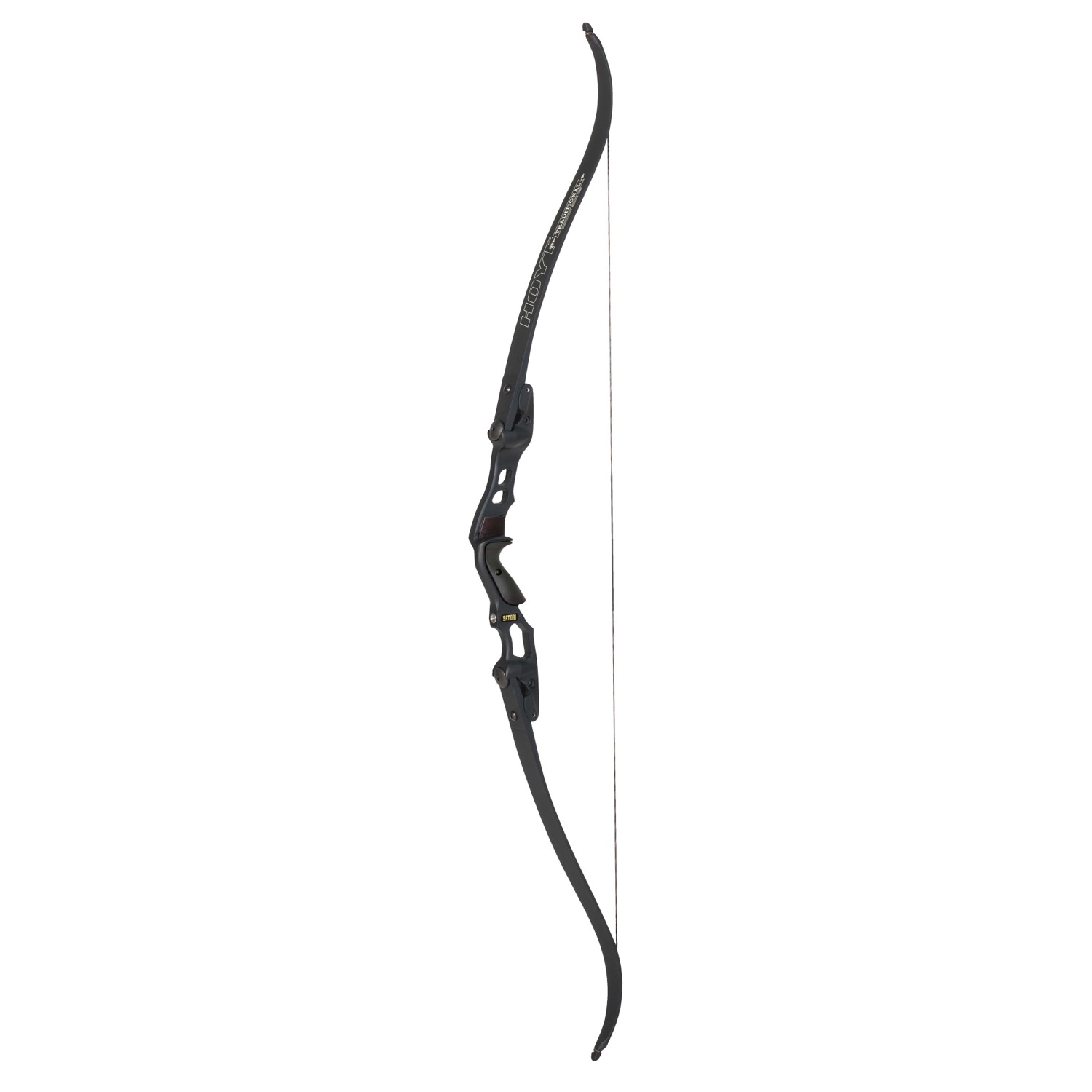
Hoyt
Hoyt Satori
The Satori is the modern benchmark for ILF hunting recurves — ArcheryTalk regulars call it "the Glock of trad bows": unglamorous, reliable, and a flat-out shooter. The machined aluminum riser comes in 17", 19", and 21" lengths (2.4 lb for the 19") with Hoyt's Grand Prix ILF pockets, micro limb alignment, and an adjustable side plate over a radiused shelf, so it tunes like a target bow but carries like a hunting rig. Because it's true ILF, you can hang Hoyt's own carbon/maple Satori limbs (35-65 lb, rated on the 21" riser) or any of hundreds of ILF limbs from $180 budget sets to $1,000 carbon-foam blades — the upgrade path is the whole sport. Complete bows run about $1,100 at 3Rivers ($520 riser + $580 limbs; watch for package deals nearer $900). Community gripes are specific: the ILF fitting can creak on a cold first draw (owners pre-draw once on stand), the metal riser is louder than wood if untuned, and there's only one rest hole. Find the quiet sweet spot around 8-8.125" brace and it's arguably the most accurate hunting recurve sold today.
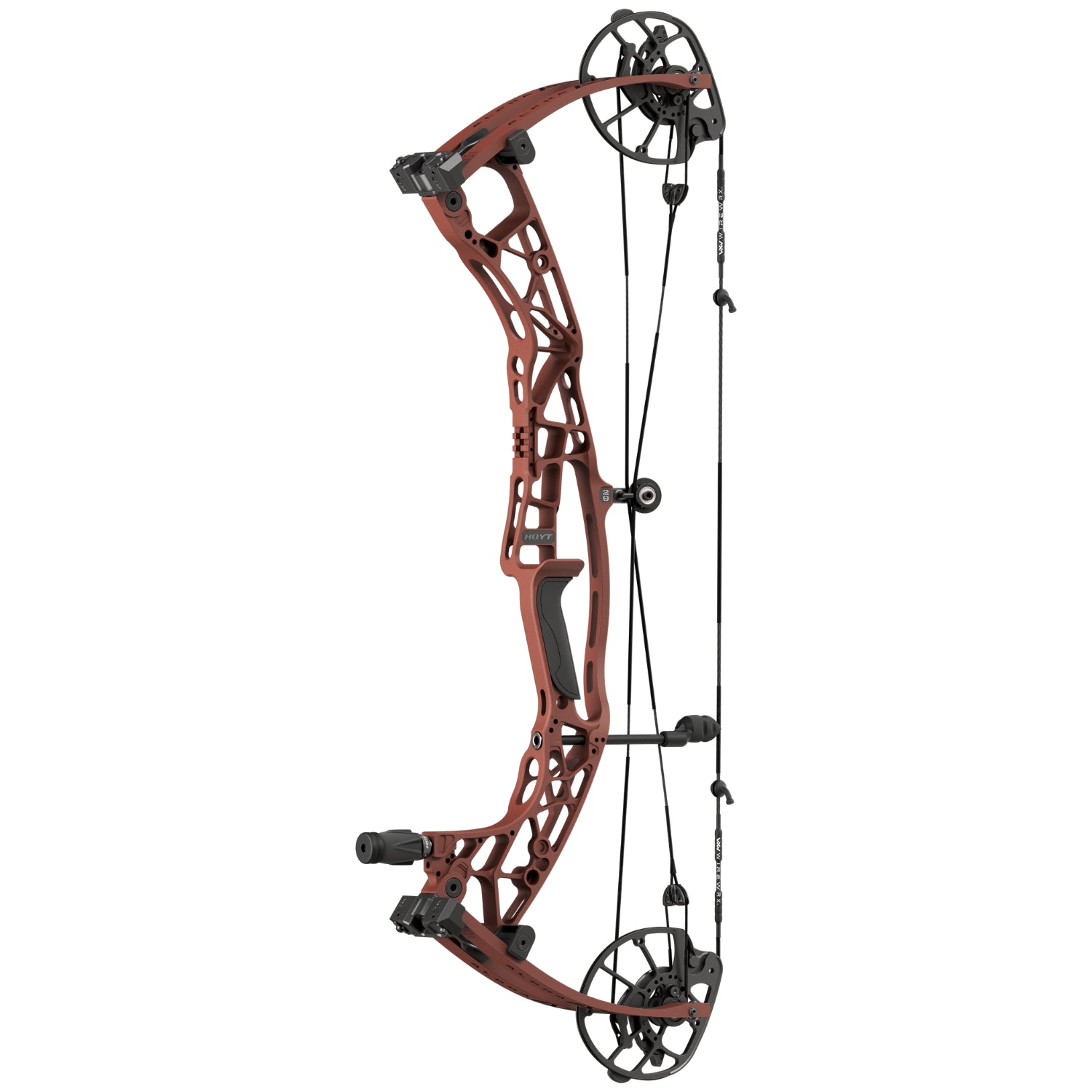
Hoyt's 2026 aluminum flagship comes in four versions; the AX-3 29 is the compact one, and it may be the most complete tuning package Hoyt has ever shipped. The new XTS Tuning System corrects both horizontal and vertical tears without a press — a first for Hoyt, whose shim-based tuning already led the industry — on what the company claims is the stiffest riser on the market. Bowhunter magazine measured it among the quietest, most vibration-free bows it has tested, crediting the In-Line accessory system that bolts sights and rests directly to the riser. It rates 340 fps ATA with the HBX Gen 4 cam's quarter-inch draw-length adjustments. ArcheryTalk head-to-heads against the Mathews ARC 30 read like a coin flip: Mathews usually wins draw feel, while the Hoyt wins the hold ("dead steady, minimal pin float"), quietness, and tuning system. The knocks: 4.4 pounds bare is nearly half a pound over the ARC 30, draw length tops out at 30 inches so longer-draw shooters need the AX-3 33, the flat Hoyt grip stays polarizing, and $1,399 is real money. The lone verified Scheels review so far is five stars.
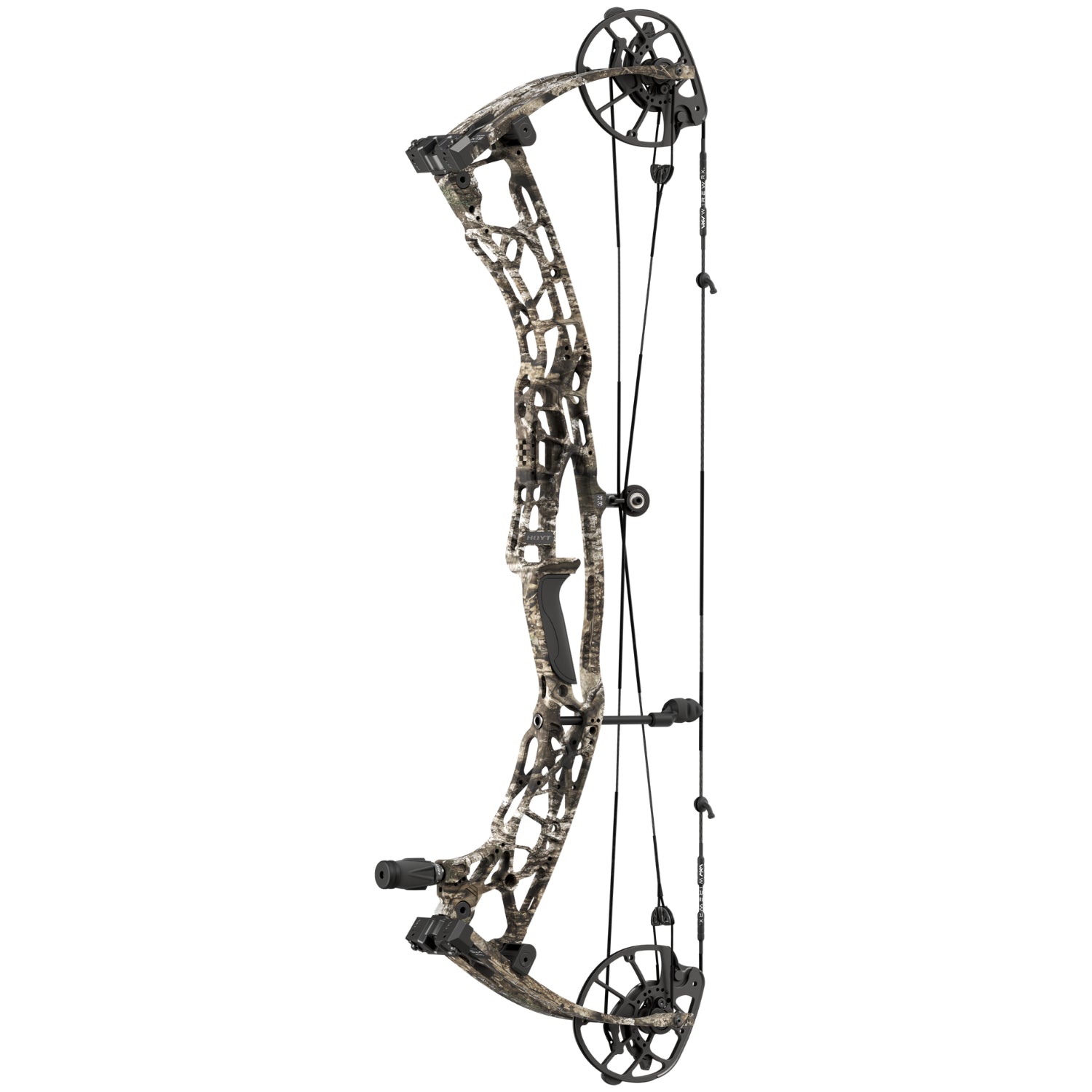
The aluminum Alpha AX-3 33 was the quiet overachiever of 2026: runner-up in Outdoor Life's bow test at 20.2 points, where it posted the best back wall of any bow (4.6/5) and the only unanimous 5/5 grip score — testers' favorite grip, hands down. Groups averaged 3.64" at 50 yards, just behind the Mathews ARC 34. The HBX Gen 4 cam draws with less perceived weight up front, and you can adjust back-wall feel and letoff; one tester's 73-lb bow 'drew like silk.' The honest knocks from ArcheryTalk and Field & Stream: there's a bigger hump into the break-over than the Mathews, and some shooters feel a bit of jump and vibration at the shot, so it's not the deadest bow here. It also weighs a legitimate 4.75 lb on Hoyt's own spec sheet — heavier than early press materials suggested — and the price crept from a $1,499 launch MSRP to $1,599 on Hoyt's site mid-year. It shares the RX-10's XTS press-free tuning at $550 less, which is exactly why a lot of Hoyt guys are skipping carbon this year.
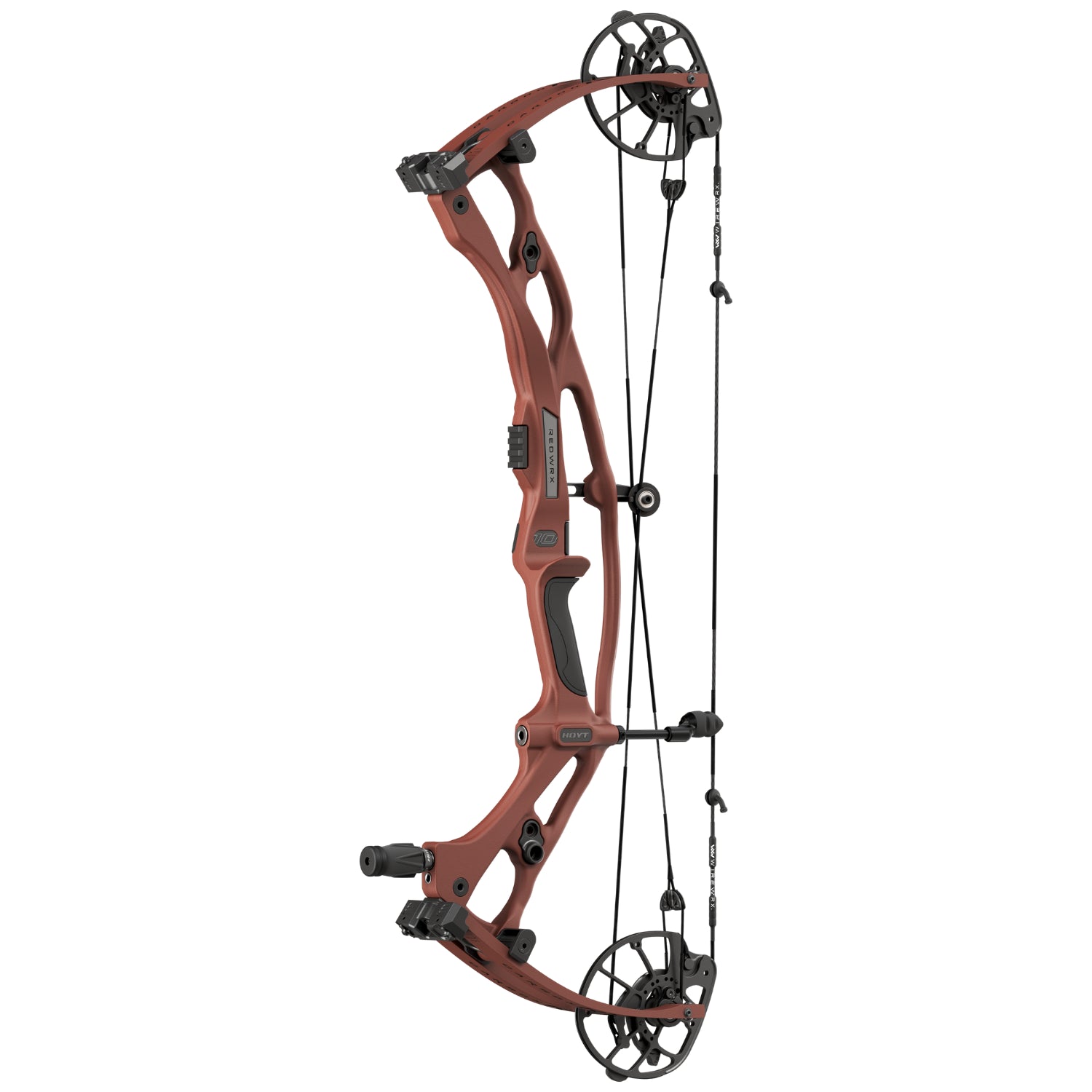
Hoyt's 2026 carbon flagship is really about one thing: the patent-pending XTS Tuning System, which adjusts for both left/right AND high/low paper tears without a press — something no other production system fully does. Reviewers who've lived with it (Born Hunting, Nock On) say it works and doesn't move your center shot, but the ArcheryTalk reality check matters: multiple owners report that two of three RX-10s they set up still needed traditional cam shimming to finish the job, so XTS narrows the gap rather than eliminating the press. The bow itself earns real praise — absurdly stable at full draw, surgically quiet, and the hollow carbon riser carries lighter than its 4.1 lb suggests while staying warm to the touch in late-season cold. The HBX Gen 4 cam gives quarter-inch draw adjustments plus customizable letoff and back-wall feel. The catch is value: $2,149 is $550 over the aluminum Alpha AX-3 that shares the same cam and tuning system, and the RX-10 didn't make Outdoor Life's 2026 podium while the AX-3 33 did. You're paying carbon money for carbon feel.
Diamond Archery
Diamond Deploy SB
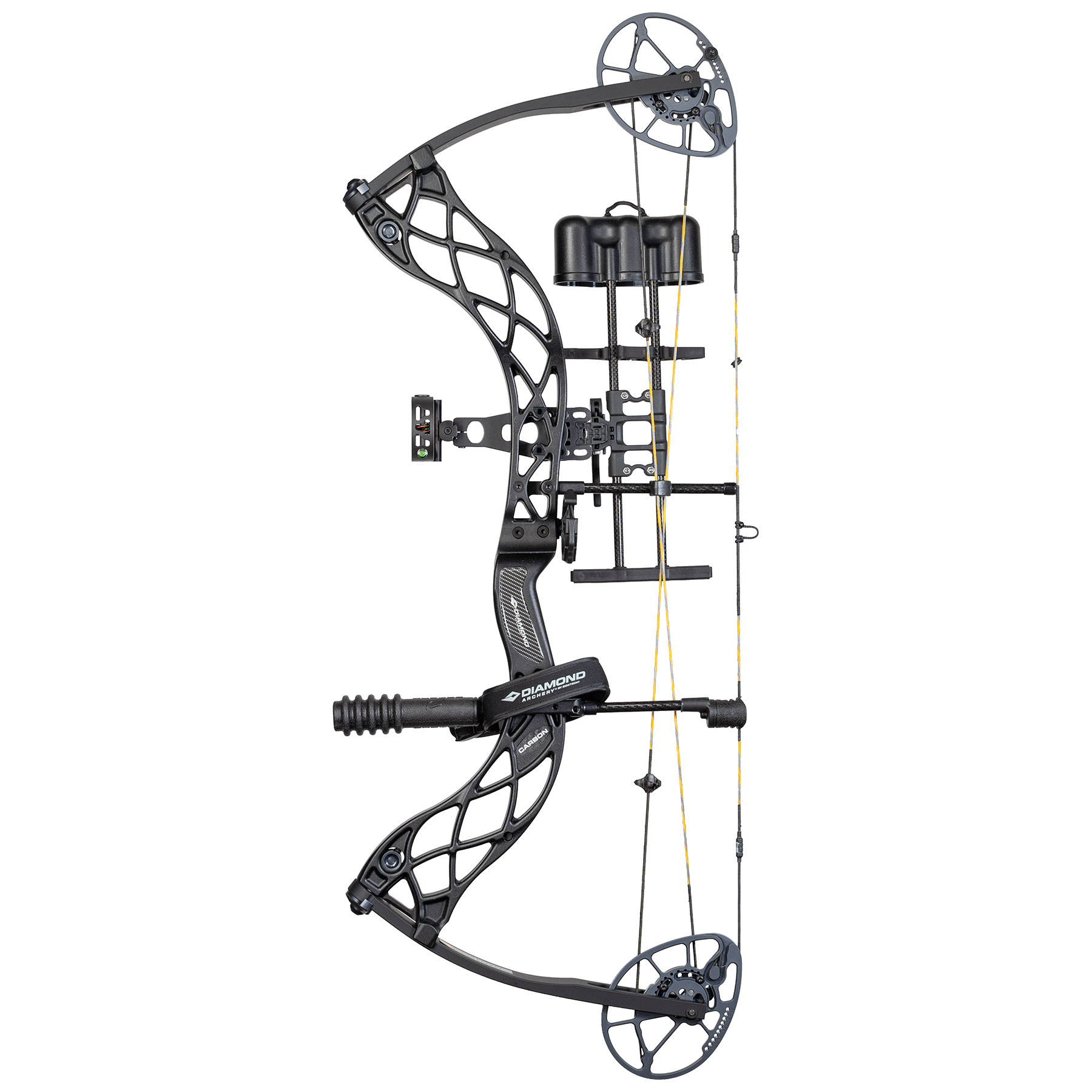
Still current in Diamond's 2026 lineup, the Deploy SB is the lightest bow in this class by a wide margin - 3.2 lb thanks to its aerospace-inspired carbon-composite riser - while its synchronized Binary Cam system (shared DNA with parent company Bowtech) rates a class-leading 330 fps. Price shown is the R.A.K. package MSRP of $749, which includes an eight-piece kit: 4-pin Apex sight, Hostage XL rest, Octane DeadLock Lite quiver, 5-inch stabilizer, sling, loop, peep and dampers; street prices dip to the low $600s and clearance units have gone under $550. Community sentiment is among the warmest of any budget bow: TexasBowhunter and ArcheryTalk owners say it 'draws like a dream,' sits dead in the hand, and is 'flagship-quality without the sky-high cost.' The knocks are consistent too: it is so light that it drifts in wind and hand-torques easily without a stabilizer, the 26-inch minimum draw excludes shorter archers entirely, real-world speeds with hunting arrows land far below 330, and the R.A.K. accessories are serviceable rather than good. If you carry far and shoot inside 40 yards, this is arguably the most bow-per-dollar in the segment.
Darton Archery
Darton Consequence 31
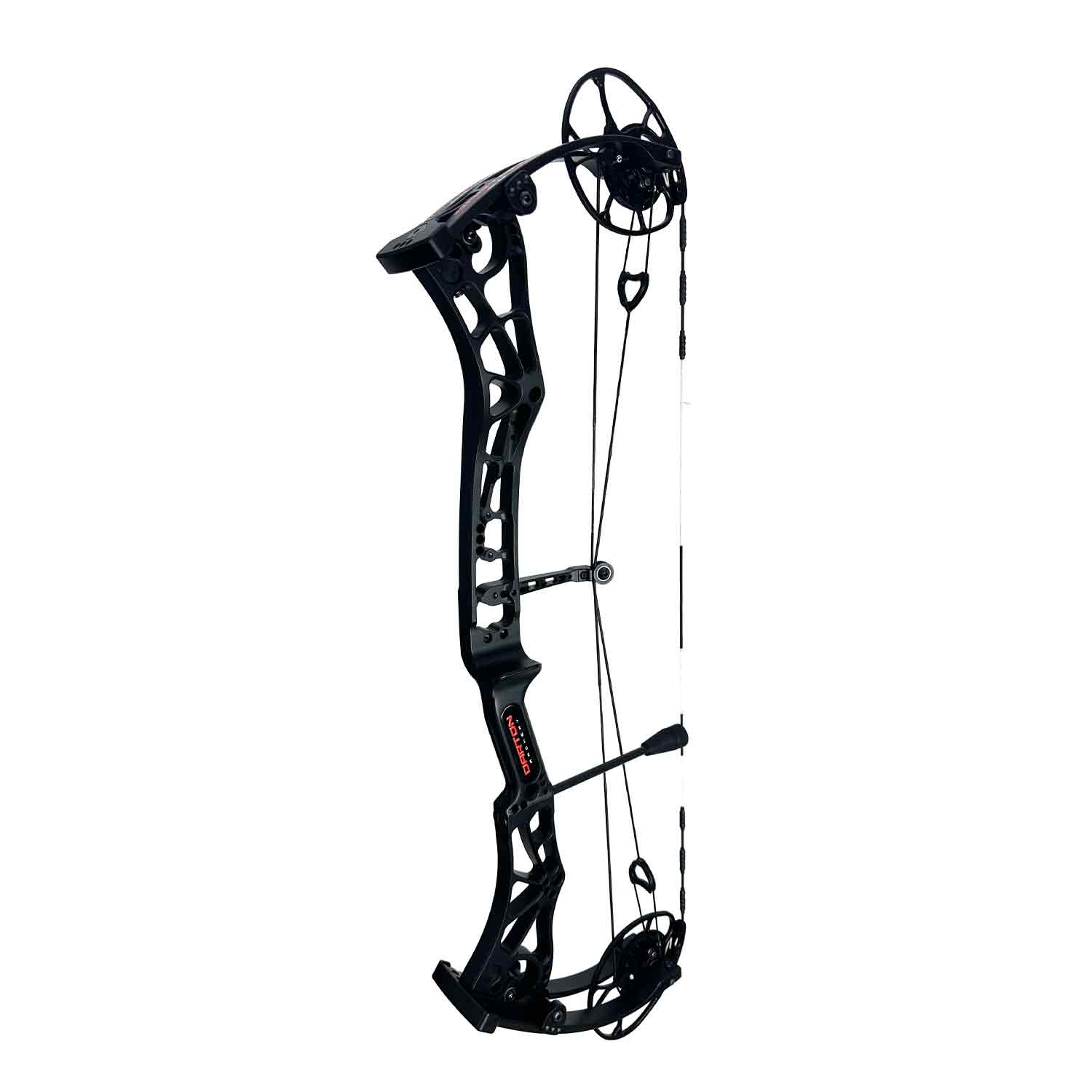
Darton is the quiet engineering house of archery - founder Rex Darlington's cam patents have been licensed across the industry - and the Consequence 31 is its current mid-range hunting bow at $799.99 bare. It was added to the 2026 line specifically because dealers wanted a longer axle-to-axle bow 'without breaking the bank' below the $1,349 TriTech flagships. The BBS dual-sync cam system rates 325 fps (331 with the included performance mod) from a forgiving 7-inch brace, and you get features rivals skip at this price: quarter-inch draw-length adjustments from 26 to 31.5 inches, adjustable let-off via dual draw-stop posts, and a Picatinny sight mount. Community sentiment on Rokslide and ArcheryTalk is that Dartons out-draw and out-hold bows costing hundreds more - the related Sequel ST2 earned one of Rokslide's most glowing long-term reviews, with testers preferring its draw cycle to a Mathews - and the Consequence line is called very comfortable and smooth. The honest downsides: a small dealer network means you may never shoot one first, resale value trails the big brands, there is no factory package, the 26-inch minimum draw and 50 lb minimum peak exclude smaller shooters, and 4.3 lb mass is on the heavy side.