PSE
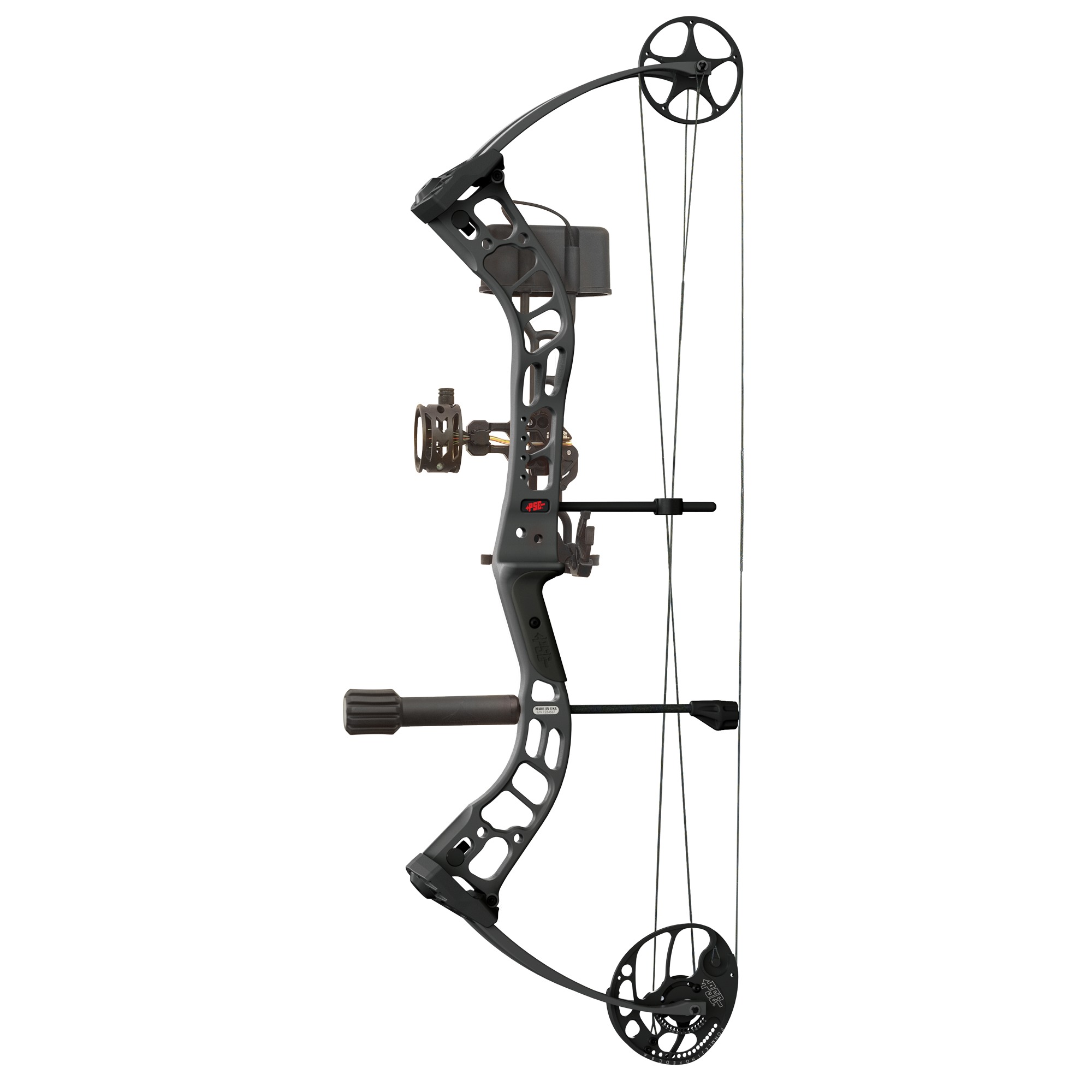
PSE Stinger ATK
The Stinger has been PSE's budget workhorse for over 15 years, and the current ATK generation - refreshed with the wide-range 'Grow With You' SS Cam - keeps it the default recommendation for a first serious hunting rig. The price shown is the ready-to-shoot package (Sierra Lite sight, TruGlo EZ rest, Hunter Lite quiver, FX4 stabilizer, peep and loop) that typically runs $450-500; the bare SS Cam bow is $449 at Lancaster, and discounters have blown packages out in the high $300s. The ATK riser is noticeably more rigid than the old Stinger Max platform, the 32-inch axle-to-axle and 6-5/8-inch brace make it forgiving, and the SS Cam covers 21.5-30 inches of draw with no bow press. ArcheryTalk owners routinely call it the best bow in its price range - quiet, low-vibration, with multiple 'killed deer with it both years' testimonials. The trade-offs are honest ones: 312 fps is slow next to the 335 fps Alaskan XT and Amplify, 4.0 lb mass is porky for the class, the package accessories are bare-bones, and grip and finish feel a tier below the Elite Ember. As a durable, tunable do-everything platform, it is hard to beat at the price.
Specifications
Highlights
Pros
- ✓Repeatedly called the best bow in its price range on ArcheryTalk
- ✓Forgiving 32-in ATA / 6-5/8-in brace geometry for new shooters
- ✓SS Cam covers 21.5-30 in of draw without a press - true grow-with-you bow
- ✓Quiet and low-vibration for a budget rig, per owner reports
- ✓Rigid ATK riser and stainless cable rod upgrade over older Stingers
- ✓Frequently discounted - packages seen under $400
- ✓Simple, durable platform that is cheap to maintain and easy to tune
Cons
- ✗312 fps rating trails the 335 fps bows in this class by a wide margin
- ✗Heavy 4.0 lb bare mass for a budget aluminum bow
- ✗RTS package accessories (Sierra Lite sight, TruGlo rest) are bare-bones
- ✗Grip and overall finish feel a step below Elite Ember and Hoyt Enduro
- ✗No visible-review rating at major retailers to cross-check sentiment
Owner Insightssummarized from ArcheryTalk, Reddit, and owner reviews
The Stinger is the Toyota Corolla of budget hunting bows - it has been PSE's workhorse for over fifteen years, and the current ATK generation keeps the streak alive. When forum veterans get asked "what should I buy for my first real hunting bow," the Stinger is the perennial answer, and the testimonials have a consistent shape: bought it, hunted it, killed deer, still using it. One ArcheryTalk owner summed up years of sentiment by saying it's probably the best bow in its price range and would still be a good buy for more money. It is not exciting. That is the point.
The shooting experience is built around forgiveness: 32 inches axle-to-axle, a 6-5/8 inch brace, and a draw cycle that is smooth and unaggressive, with owners consistently reporting a quiet, low-vibration shot that embarrasses louder rivals like the Cruzer G3. The SS Cam's 21.5-30 inch draw range adjusts with a hex key and no press - note that the extreme low-weight "grow-with-you" settings are really designed for kids growing into the bow, since a 70 lb limb set can walk down surprisingly far. The knocks are honest ones: 312 fps is the slow end of mid-range, 4 pounds bare is heavy, the Sierra Lite sight and TruGlo rest in the package are the definition of bare-bones, and the grip has been a complaint across Stinger generations.
This is the right bow for a first-time buyer who wants a proven, forgiving platform they will not outgrow in skill for years, or a value hunter who cares more about a quiet shot than a spec sheet. Against the Bear Alaskan XT you give up 23 fps but gain forgiveness, quietness, and about $100; against the budget tier below (Uprising, Edge XT) you gain a stiffer riser and a legitimately better-shooting bow for only a little more. Lancaster sells the bare SS Cam bow at $449, packages run $450-500, and discounters periodically blow them out in the high $300s - at that price it is close to unbeatable.
What owners like
- +Fifteen-plus years of Stinger reputation behind it - experienced ArcheryTalk owners still call it the best bow in its price range
- +32-inch axle-to-axle and a 6-5/8 inch brace make it the most forgiving mid-range platform here
- +The SS Cam covers 21.5-30 inches of draw with a hex key, no press - a genuine grow-with-you range on a serious hunting bow
- +Quiet with low vibration for a budget rig, a consistent owner report
- +The ATK riser is noticeably stiffer than the old Stinger Max platform
- +Multiple 'bought it two years ago, killed deer both years' testimonials in the forums
- +Frequently discounted - complete packages have been blown out under $400
- +Simple, durable, cheap to maintain, and it papers easily
Common complaints
- −312 fps is a wide gap behind the 335 fps Alaskan XT and Amplify
- −4.0 lb bare mass is porky for a budget aluminum bow
- −RTS package gear (Sierra Lite sight, TruGlo rest) is bare-bones even by package-bow standards
- −Grip and finish feel a tier below rivals like the Elite Ember - the stock grip has drawn complaints for years
- −Real low-end draw weight depends on your limb choice; the wide 'grow-with-you' settings are meant for kids, not something an adult flips between
- −No meaningful retailer review pool to cross-check sentiment
- −PSE's marketing energy goes to its flagships, so dealer floor support is thin
Common Questions
Is the Stinger ATK enough bow to hunt deer?
Can it grow with a young shooter?
Do I need a bow press for adjustments?
How bad are the package accessories really?
Stinger ATK vs the PSE Uprising - both are PSE, why pay more?
Why is it slower than the Bear Alaskan XT at similar money?
Compare the PSE Stinger ATK
Related bows
More from PSE →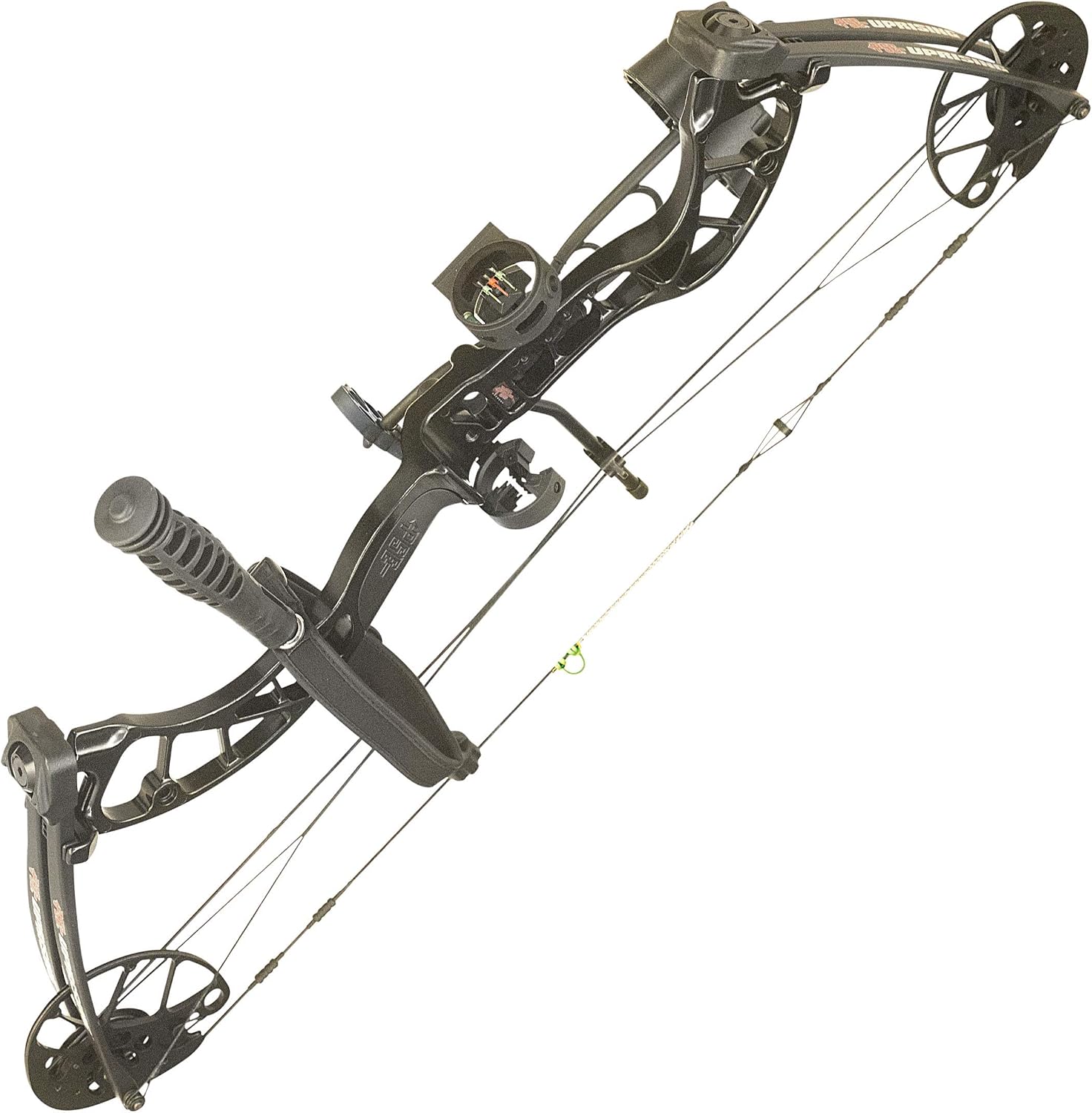
PSE
PSE Uprising
The Uprising is PSE's answer to the Edge and Cruzer, and it undercuts both on price: the Ready-to-Shoot package (3-pin sight, whisker-style rest, 5-arrow quiver, 6-inch stabilizer with sling) sells around $300 street, with sale prices dipping into the $260s. Adjustment range is legitimate - 14 to 30 inches of draw and 15 to 70 pounds, all module-based with no press - and at 310 fps ATA it out-runs the Edge XT on paper. Sportsman's Warehouse buyers rate it 4.8/5, and Women's Outdoor News praised how it grows with a shooter. The honest knocks: 70 percent let-off is the lowest in this class, so you hold roughly 18-21 pounds at full draw on a 65-70 lb setting - noticeably more than the 75-80 percent competition, which matters to new hunters waiting on a deer. The cam has a firmer hump toward the end of the cycle than the buttery Diamonds, and Amazon reviewers specifically call out the included rest as frustrating for beginners. Arrows and a release are not included. As pure bow-per-dollar, though, nothing name-brand beats it at $300, and PSE's lifetime warranty travels with a real dealer network.
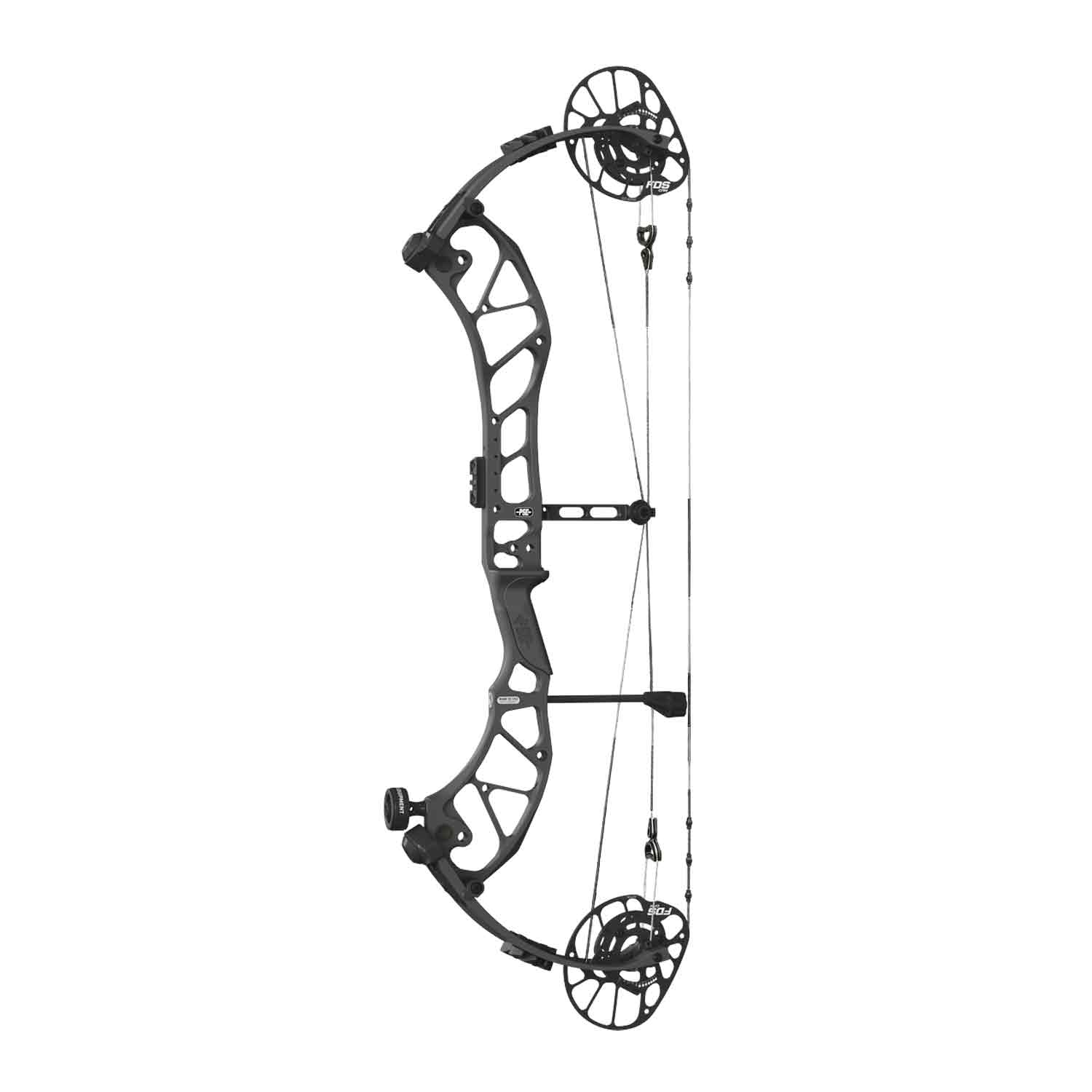
For 2026 PSE pushed the entire Mach flagship family to carbon (the Mach 34 is gone, succeeded by the carbon Mach 33 and 35 DS) and left one aluminum bow carrying the new FDS cam: the Decree FDS. That makes it the value play in PSE's premium line — the same 347 fps IBO cam system as the $1,800-plus carbon Machs, on a 31.5-inch machined riser for $1,299. The FDS cam adds roughly 10 fps over the 2025 Decree's EC2 while gaining effective brace height, and the platform picked up accuracy honors in Outdoor Life's bow testing. Real-world chronographs run about 282 fps with a 465-grain arrow at 28.5 inches and 70 pounds. Community reception of the Decree line is genuinely mixed on ArcheryTalk: fans call it unbelievably fast, stable, and easy to tune; critics call 4.65 pounds porky for its length, miss a 50-pound limb option (FDS runs 60/70/80 only), and felt the revived "Decree" name promised more than an aluminum mid-flagship. The 70–85% adjustable let-off and Full Draw Stability riser geometry hold well on target. If you want PSE's flagship shot without carbon prices, this is the only door in.
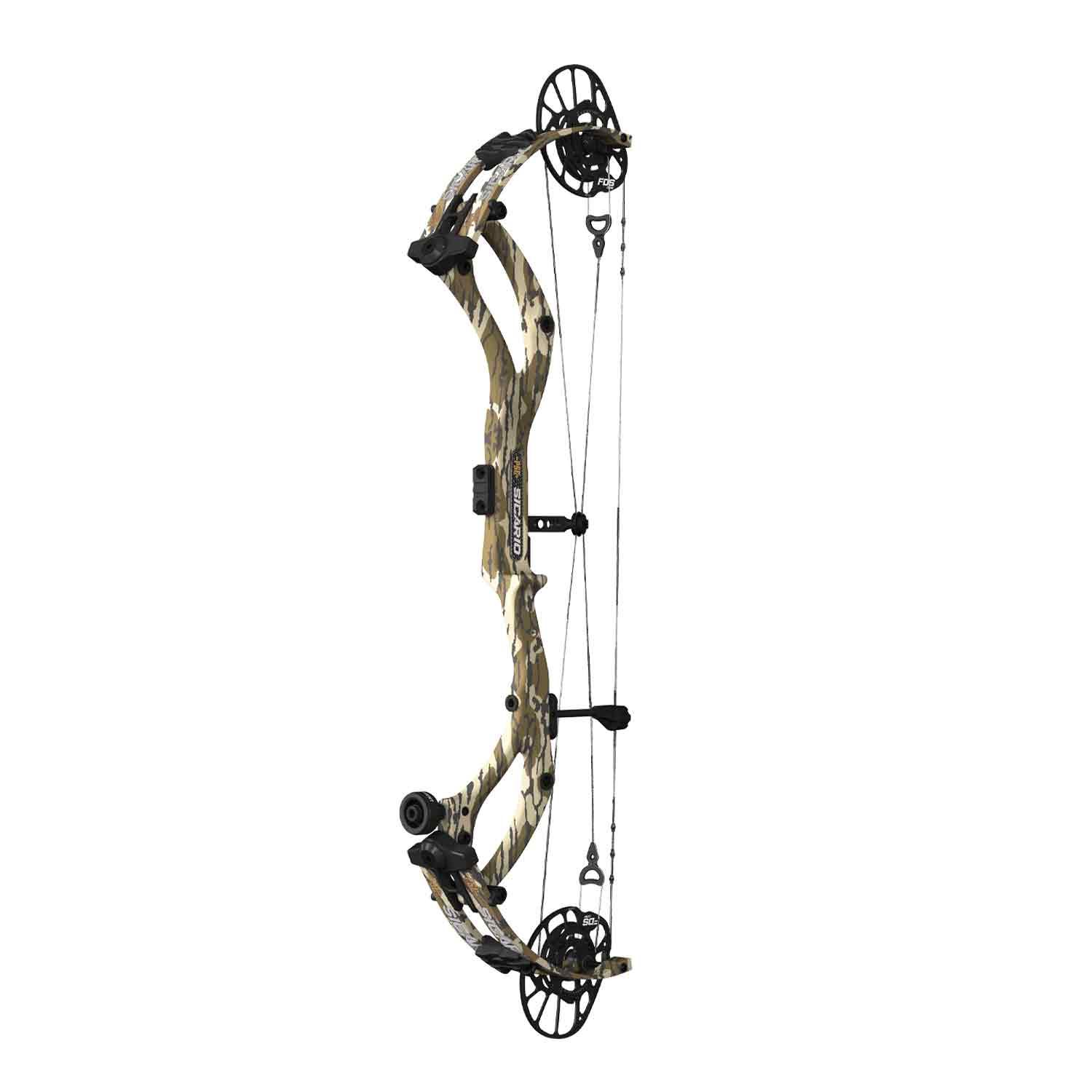
PSE calls the Sicario the fastest carbon bow ever built, and the numbers back the swagger: 357 fps IBO, and in Outdoor Life's standardized 2026 test it chrono'd 305 fps — about 20 fps clear of every other flagship. One ArcheryTalk tester ran 353 fps with a 350-grain arrow at 70 lb/30.25". The surprise is how civilized it is. The FDS cam's geometry gives an effective 6.5" brace from a nominal 5.25", and the community consensus is a draw that's stiff but linear and smooth — 'speeds that don't make sense' for the cycle — with a decent valley and very little vibration from the Dead Frequency Carbon riser at just 3.9 lb. Now the honest part: Outdoor Life scored its features 2/5 because, unlike every rival here, real tuning still means a bow press (the EZ.220 spacer system helps but doesn't replace one), its draw cycle scored lowest in the test, and accuracy trailed at 4.04" average groups — a short-brace speed bow still punishes sloppy form. At $1,999 street it's priced against the RX-10 with fewer convenience features but a huge speed edge.
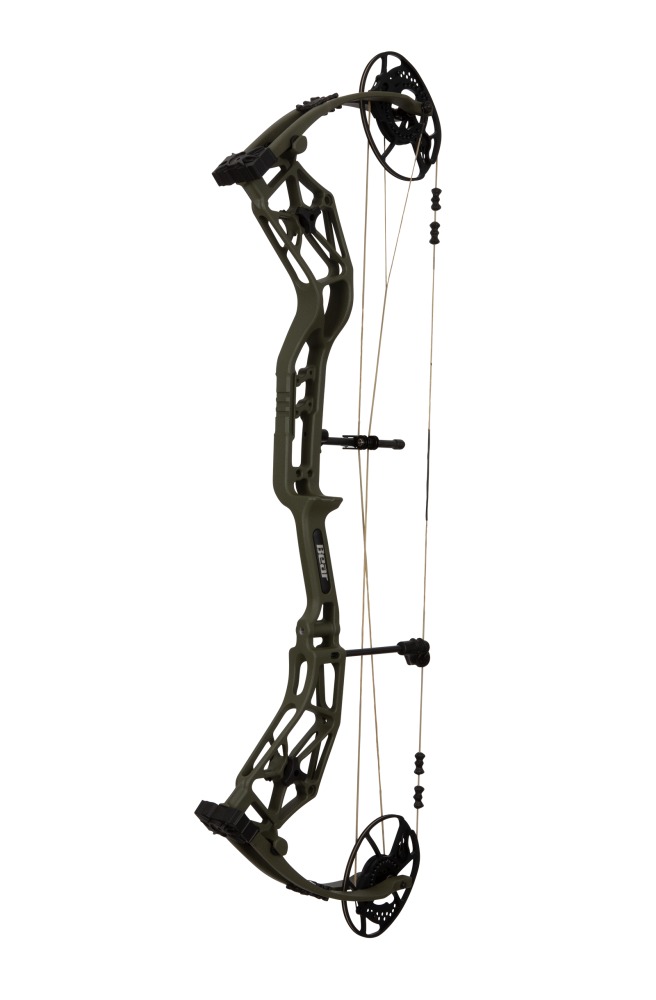
Bear Archery
Bear Alaskan XT
Bear's Alaskan XT is the value pick of this class if you want flagship-adjacent features without a flagship bill. The price shown is the common Ready-to-Hunt package street price (about $600 at Walmart; $679.99 direct from Bear), which includes a Trophy Ridge 4-pin sight, Whisker Biscuit, quiver, stabilizer, peep and D-loop; the bare bow runs around $500-530. The spec sheet punches up: 33-inch axle-to-axle for stable aiming, 335 fps ATA from the DHC-XR cam system, an integrated Picatinny sight mount, roller cable guard, and a light 3.5 lb bare weight. ArcheryTalk threads titled 'now that's value' capture the sentiment - most owners report a surprisingly smooth draw and tight groups, and it holds 5.0/5 across 10 Pyramyd Air reviews plus 4.8/5 at Walmart. Honest knocks: there is a quick buzz at the shot that the KillerWave dampeners don't fully kill (one owner found it livelier than Bear's own Whitetail Maxx), the 25-30 inch draw range excludes very short and long-draw shooters, and the RTH accessories are entry grade - most serious hunters upgrade the sight and rest within a season.
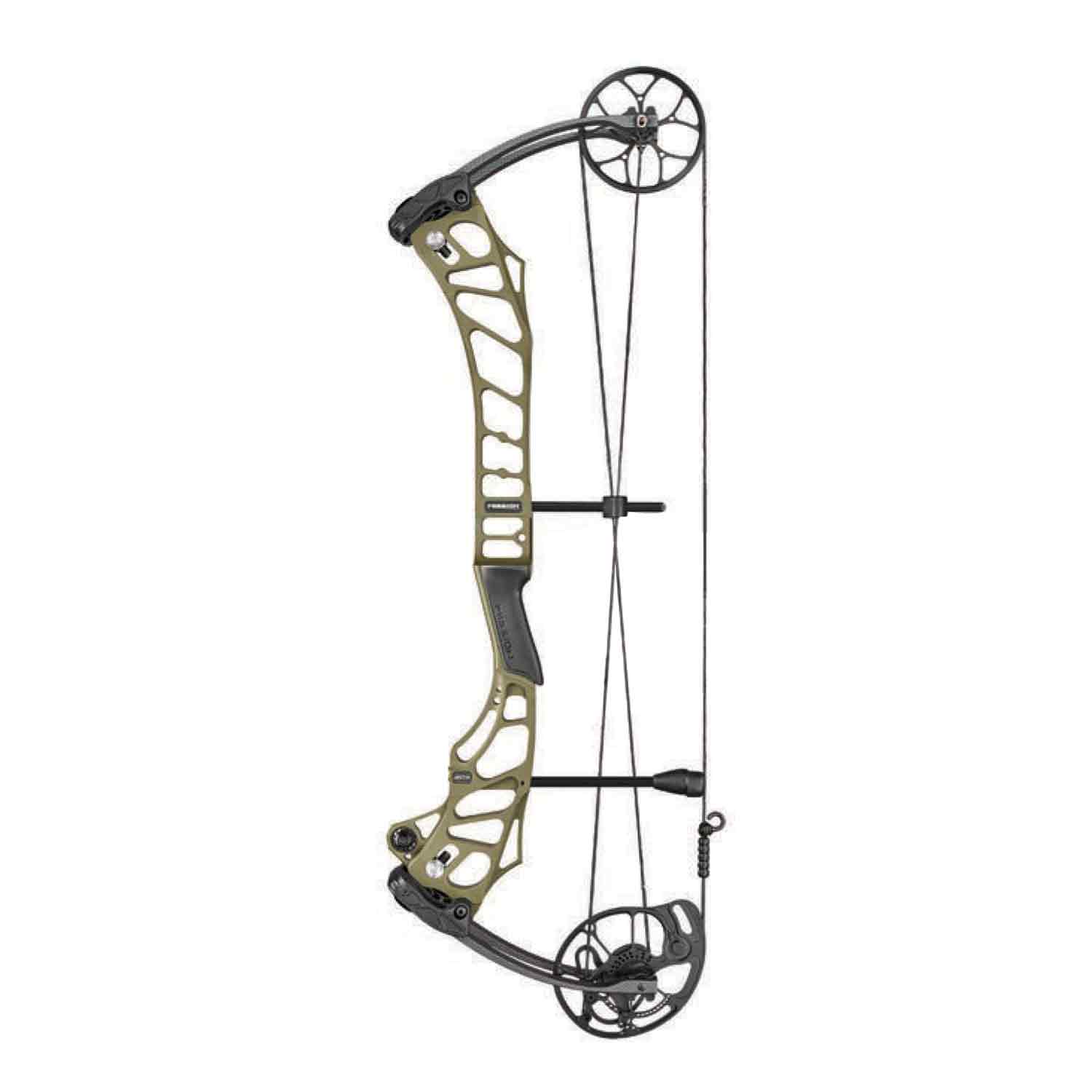
Mission Archery
Mission Stryde 30.5
Mission is Mathews' value brand, built in the same Sparta, Wisconsin factory, and the Stryde - new for 2026 in 28-inch and 30.5-inch versions - is its current flagship hunting model, resurrecting the Solocam single-cam system that made Mathews famous. Price shown is the bare 30.5-inch bow at $649.99; there is no factory package, so budget another $150-250 for accessories. The pitch is simplicity: one cam means fewer sync issues, a buttery draw, and easy 22-30 inch length changes via rotating mod. Outdoor Life's test bow ran 316.9 fps against the 323 rating with impeccable arrow flight to 40 yards, and reviewers consistently land on 'performs well above its price tag.' Concessions at this price are real: composite limb pockets instead of machined aluminum, a split-yoke tuning system that requires a press, a shallow valley that punished the OL tester until he dropped from 70 to 62 lb, and a faint hand shock plus audible blip at release. It launched in June 2026, so long-term community records are thin - but Mathews' build quality, a true lifetime warranty and dovetail compatibility with the UltraRest R1 make it a low-risk buy against the Elite Ember and Hoyt Enduro.
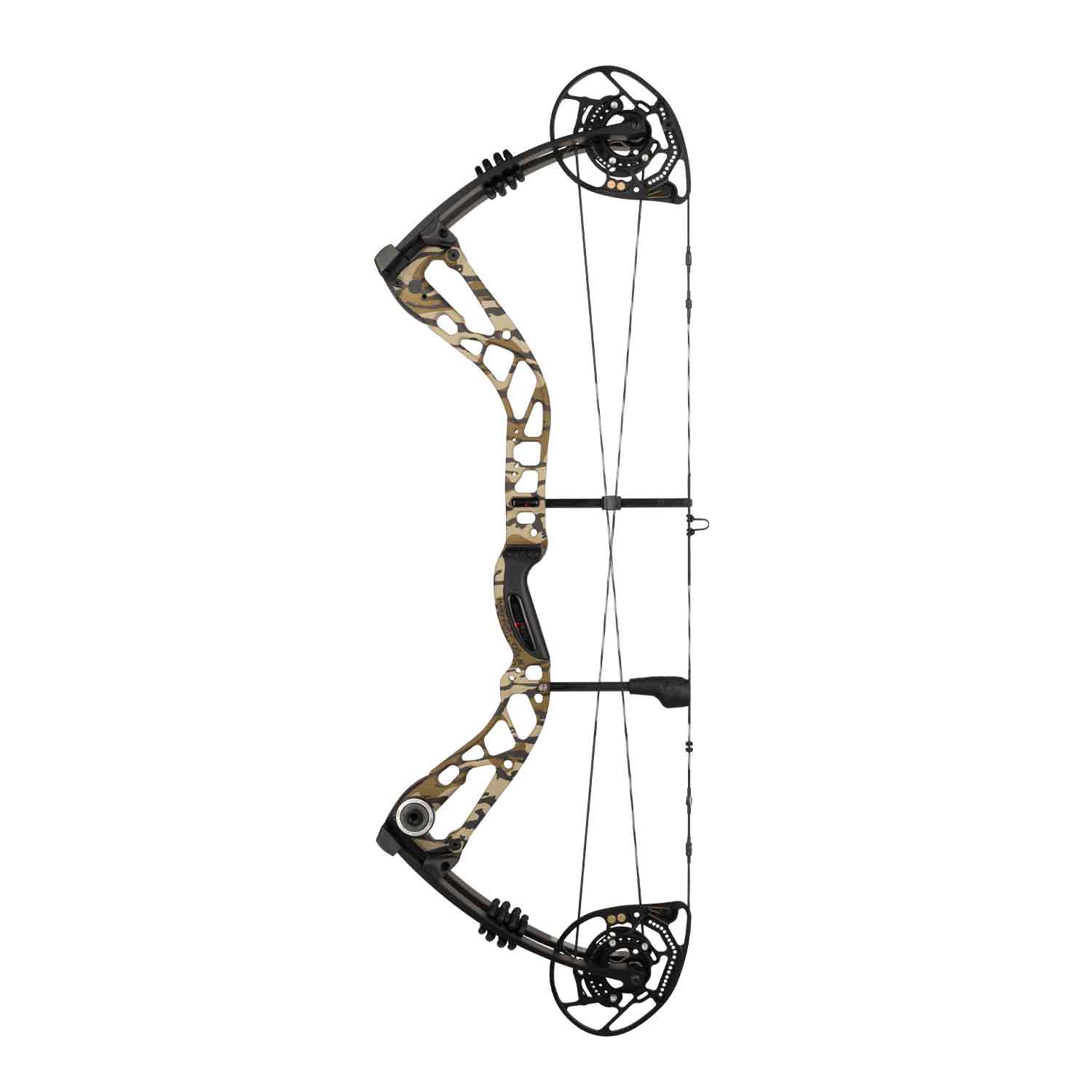
Bowtech
Bowtech Amplify
Verified still current in Bowtech's lineup for 2026, the Amplify is the adjustability king of this class: 8-70 lb of draw weight and 21-30 inches of draw length on one set of limbs, no swaps needed. It sells only as the R.A.K. (Ready Aim Kill) package - price shown reflects the $599-699 street spread at Sportsman's Warehouse and independent shops - with a 4-pin sight, Octane rest, quiver, 7-inch stabilizer, sling and peep. The headline tech is the synchronized Binary Cam plus Bowtech's PowerShift flip disc, which lets you choose Comfort or Performance draw cycles with a hex key and no press. At full settings it rates 335 fps, tying the Bear Alaskan XT for fastest here. Community sentiment is positive-with-caveats: budget-minded ArcheryTalk and Reddit owners love that one bow covers a growing family, but the 6-inch brace height is the least forgiving in the group, the grip polarizes (some shooters report contact with fletching or knuckle creep), speeds at mid-range settings are far below the rating, and there are scattered reports of peep serving unraveling and tune drift after high volume. Think of it as a Diamond Deploy SB trading weight and brace comfort for ultimate adjustability.