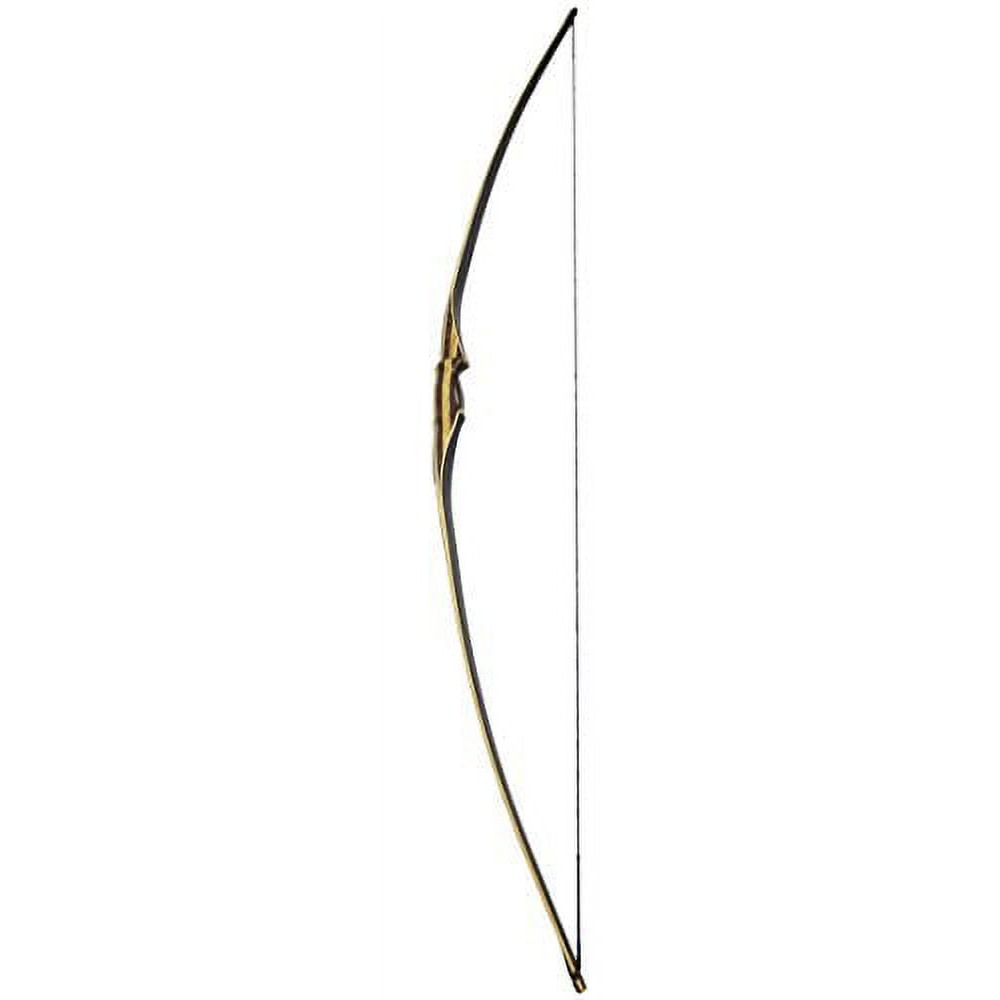
Southwest Archery
Southwest Archery Scorpion
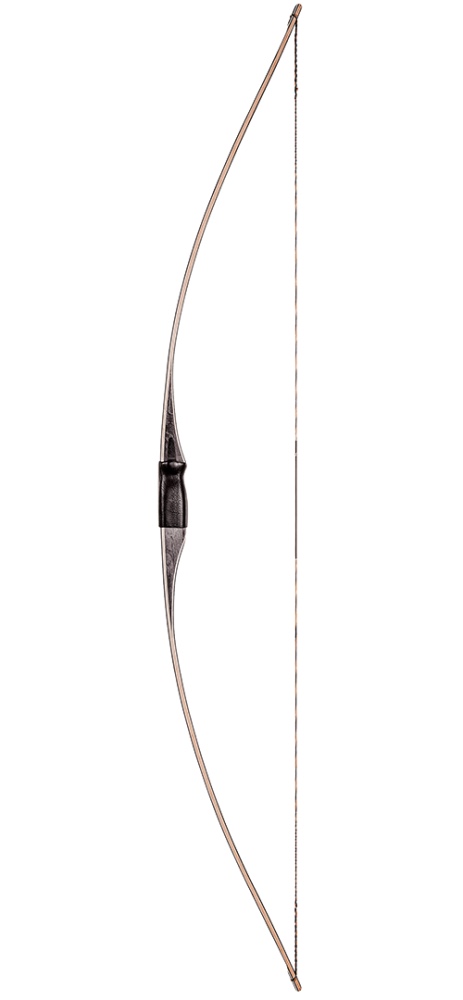
Southwest Archery — the California outfit founded by people behind the ubiquitous Samick Sage — applies the same value formula to a traditional longbow with the 68-inch Scorpion. The one-piece riser layers dymondwood, tigerwood, white oak, and padauk into something that looks far more expensive than its roughly $280 street price, and the limbs carry reinforced tips, so unlike most budget longbows it is rated for Fast Flight and Flemish strings. It ships with a 16-strand Dacron string, a pre-installed shelf pad, and instructions; an optional kit adds a stringer. At 68 inches it draws smoothly well past 28 inches with no stack, and the ArcheryTalk owner thread is notably positive — 'shot well, seemed very stable,' with reviewers remarking how little negative feedback exists. Tradgang and Trad Talk posters treat it as the step up from an SAS Pioneer: cleaner finish, better hardware, one-year warranty. Like most American-style longbows the shelf window is not cut past center, so spine tuning takes patience, and there is mild hand shock with light arrows that a Flemish string and 10 gpp arrows mostly cure. Amazon and Walmart carry it, but their rating widgets could not be verified at research time, so no number is reported here.
Specifications
Highlights
Pros
- ✓Reinforced limb tips rated for Fast Flight strings — rare under $300
- ✓Handsome multi-wood riser (dymondwood, tigerwood, white oak, padauk)
- ✓68" length is smooth and stack-free for long draws
- ✓1-year warranty from a USA-based company
- ✓Very positive ArcheryTalk/Trad Talk owner feedback with few complaints
- ✓True left-hand versions in all weights
- ✓Full 25-60 lb range covers beginners through elk-capable hunters
Cons
- ✗No verifiable numeric review aggregate at research time
- ✗Stock Dacron string leaves speed and quietness on the table
- ✗Mild hand shock with light arrows until string/brace are tuned
- ✗Shelf not cut past center, so spine tuning is fussier than a recurve
- ✗Stringer tool costs extra unless you buy the kit
Owner Insightssummarized from ArcheryTalk, Reddit, and owner reviews
The Scorpion is what the Samick Sage folks did when they turned their value formula loose on a longbow — Southwest Archery was founded by people behind the most recommended budget takedown ever, and it shows in the details. The 68-inch Scorpion layers four hardwoods into a riser that photographs like a $500 bow, reinforces the limb tips for Fast Flight strings (almost unheard of at $280 — the $500 Bear Grizzly is Dacron-only), and backs it with an actual one-year warranty. The ArcheryTalk owner thread is quietly glowing, with shooters noting how stable it feels and how hard it is to find anyone with a bad experience.
At 68 inches this is one of the smoothest-drawing bows in the budget class — no stack for even long-draw shooters, mild string angle, easy on the fingers. The trade-offs are classic American longbow: it's not fast, especially with the stock 16-strand Dacron string, and there's mild hand shock with light arrows that mostly disappears with a Flemish string upgrade, a tuned brace height in the low-7-inch range, and 10 gpp arrows. The string upgrade is the move — the reinforced tips take Fast Flight, so a $20-30 string buys real speed and quiet that most sub-$300 bows can't access at any price. The non-center-cut window means spine tuning takes patience; start weaker than the charts.
Best for beginner-to-intermediate archers who want a genuine wooden longbow experience without gambling: it slots exactly between the $190 SAS Pioneer — rougher finish, no warranty, Dacron forever — and the $530 Bear Montana, which is faster thanks to its reflex but carries Bear's famous hand-shock discourse. The Trad Talk take treats the Scorpion as the step up from the Pioneer, and that framing holds. At 45-50 lb it's deer-capable with the right arrow, though its long, forgiving frame makes it even better as the bow you actually learn traditional form on, then keep for the 3D course after you buy something fancier.
What owners like
- +Fast Flight rated reinforced limb tips — genuinely rare under $300, and something the pricier Bear Grizzly can't claim
- +Built by the Southwest Archery crew with Samick Sage lineage, so the value engineering is proven
- +The four-wood riser (dymondwood, tigerwood, white oak, padauk) looks far more expensive than $280
- +68 inches draws smoothly well past 28 inches with no stack — a long-draw shooter's budget friend
- +ArcheryTalk owner feedback is notably positive: 'shot well, seemed very stable,' with reviewers remarking how little negative feedback exists
- +Surprisingly quiet — one owner found it noticeably quieter than his recurves
- +True left-hand versions across the weight range, which budget trad bows rarely offer
- +1-year warranty from a US-based company, versus the SAS Pioneer's none
Common complaints
- −Ships with a basic 16-strand Dacron string, leaving the Fast Flight-rated tips' potential on the table until you upgrade
- −Mild hand shock with light arrows until the string and brace height are sorted
- −Shelf window isn't cut past center, so spine tuning takes more patience than a recurve
- −D-shaped 68-inch longbows are not speed bows, and forum posters are honest that it can feel slow next to a hybrid like the Quick Stick
- −The stringer tool costs extra unless you buy the kit version
- −No verifiable review aggregate at the big retailers, and Reddit discussion is thin
- −68 inches is wonderful to shoot and awkward in a ground blind
Common Questions
Is the Scorpion really Fast Flight compatible at this price?
Can I hunt deer with it?
Scorpion or SAS Pioneer?
Does it have hand shock?
Is it good for long draw lengths?
How does it compare to the Samick Sage?
Compare the Southwest Archery Scorpion
Related bows
More from Southwest Archery →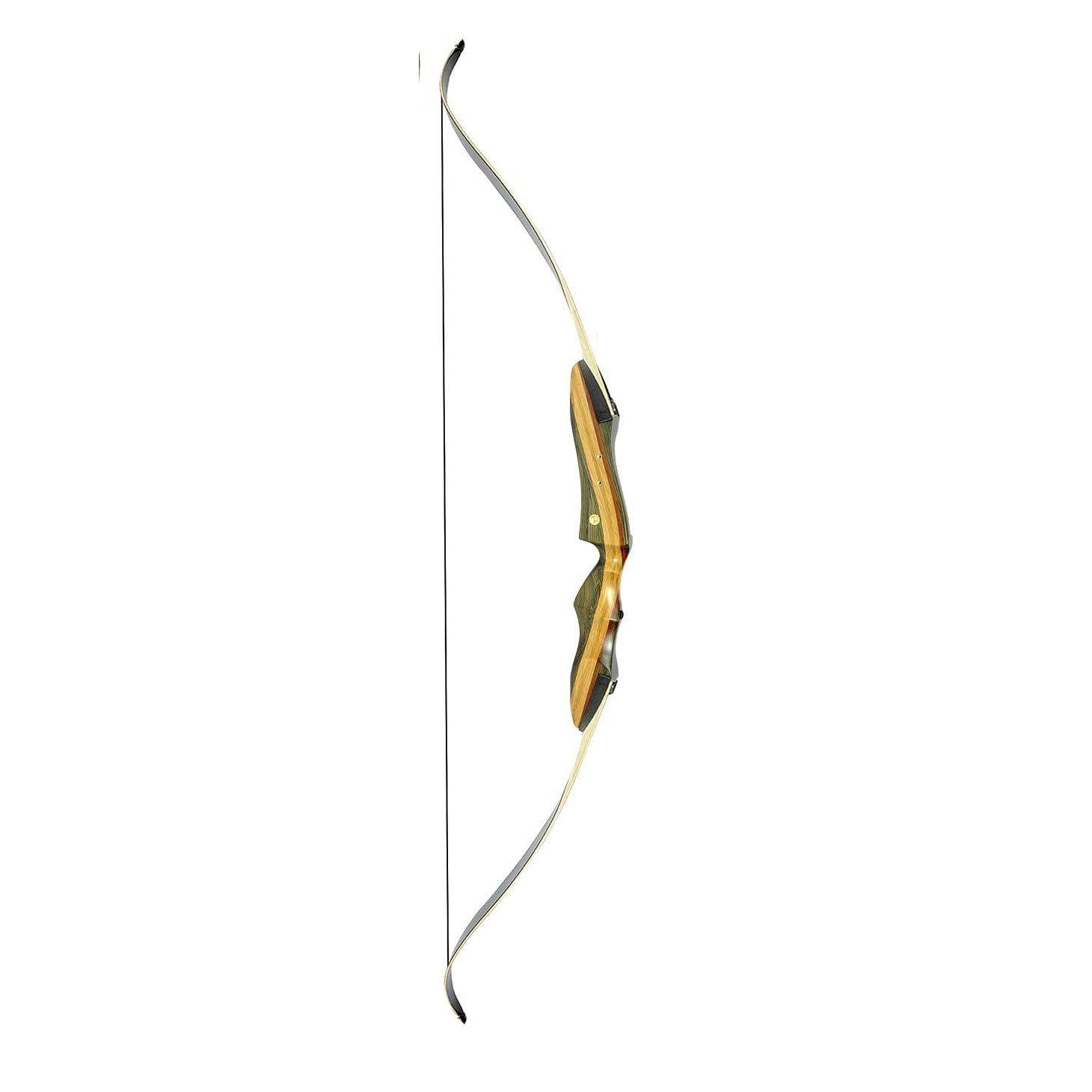
Southwest Archery
Southwest Archery Spyder XL
The Spyder line was designed by the same team behind the original Samick Sage, and the community treats it as the Sage 2.0 — same basic architecture with rounded riser edges, cleaner finish, and tool-free limb bolts. The XL is the one hunters with long arms should care about: the same riser as the 62" Spyder wearing longer limbs for a 64" AMO length that keeps the draw cycle smooth past 29", where the standard Sage and Spyder start to stack. The riser is white oak, Dymondwood, and padouk with threaded bushings for sights, plunger rests, quivers, and stabilizers; the hard-maple/fiberglass limbs get reinforced tips that are Fast Flight and Flemish string compatible. Draw weights run 25-55 lb (including an odd 29 lb step), so 45-55 lb hunting configurations are available off the shelf. Southwest sells it directly for $164 with 107 store reviews, and the Amazon listing has years of positive feedback. Like the Sage, the limb fitting is proprietary — Spyder and Sage-pattern limbs interchange, but ILF limbs do not. A 1-year warranty (with online registration) is unusual at this price.
Southland Archery Supply
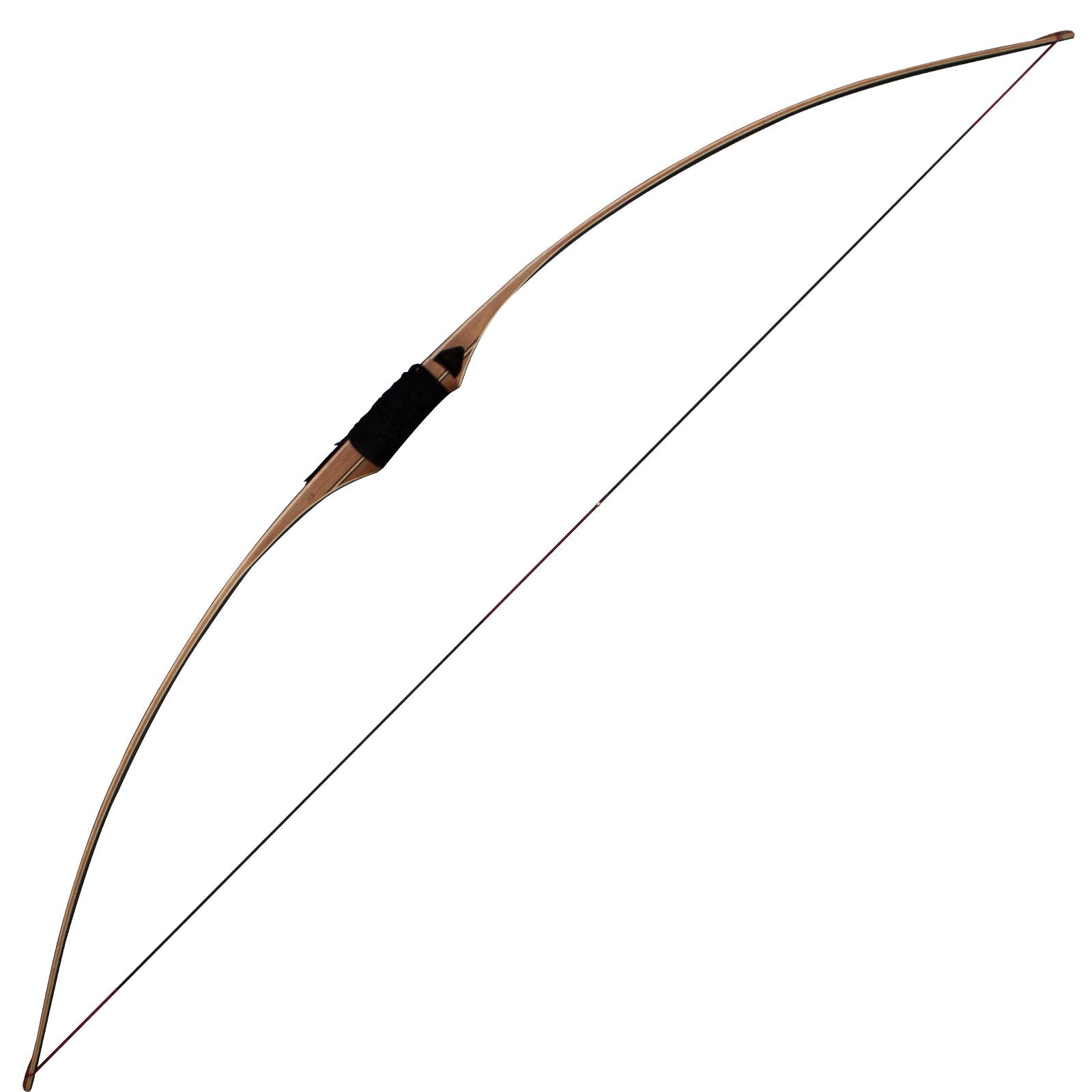
SAS Pioneer 68" Longbow
Substituted for the requested 68-inch Black Hunter: the only Black Hunter longbow verifiably sold in the US is a 60-inch takedown, so the SAS Pioneer fills the budget one-piece 68-inch slot — and it's the bow budget-minded trad forums actually recommend there. The Pioneer pairs a makore and cassia siamea hardwood riser with maple-laminated, fiberglass-faced limbs in a classic American flat-bow profile. At 68 inches it is exceptionally smooth and forgiving, with no meaningful stack at normal draws, making it a favorite first longbow on ArcheryTalk and Trad Talk. Reviewers on Southland's own store rate it 4.7/5 across 18 reviews, and the consistent refrain is 'great quality for the price.' The equally consistent advice: bin the stock endless-loop Dacron string. With a Flemish twist replacement the Pioneer picks up speed, quiets down, and sheds most of its reported hand shock. The shelf is a simple non-center-cut window with a stick-on rug, so expect to spend time on spine and brace tuning, and the fit-and-finish is honest $190 work — visible tool marks and a chunky grip some shooters sand to fit. With 40-55 lb limbs it is genuinely deer-capable, and at this price it's the cheapest legitimate hunting longbow in the class.
Bodnik Bows
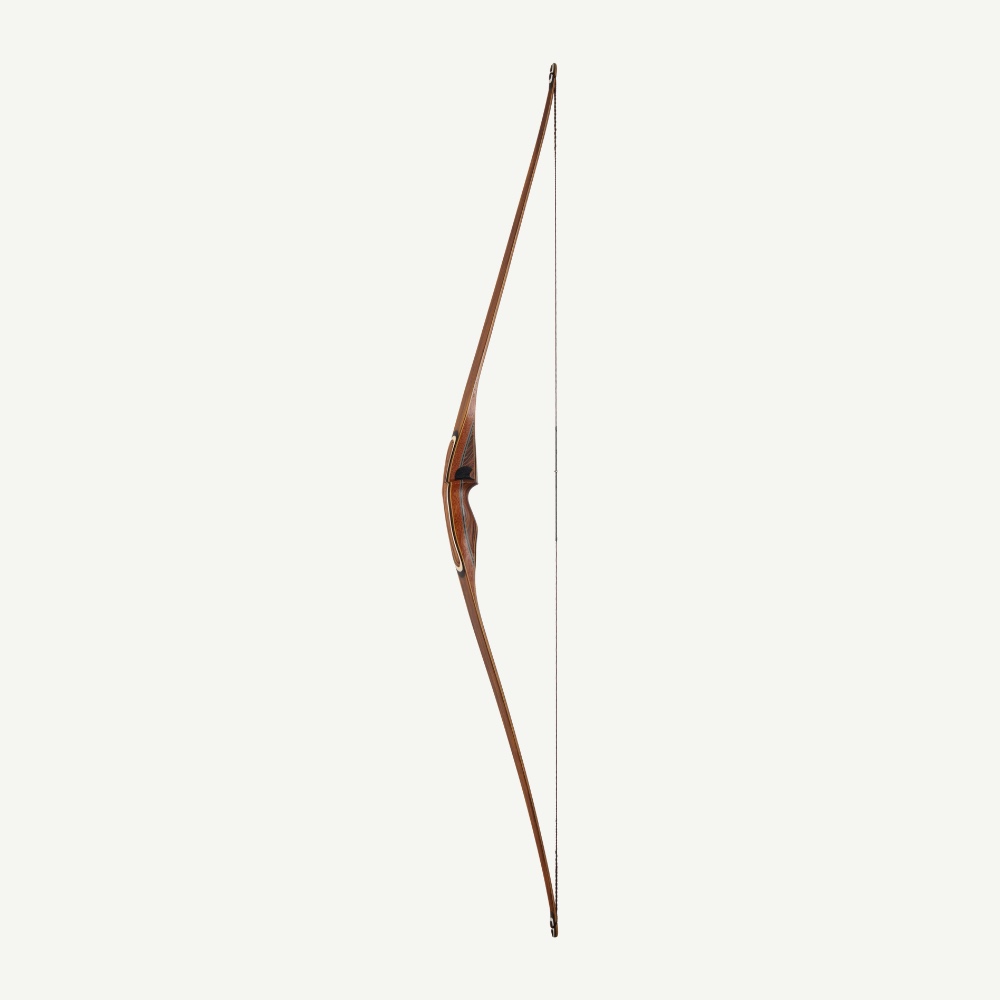
Bodnik Quick Stick
Substituted for the requested Bodnik Slick Stick, which is sold out at Bearpaw's US store with a stated 10-12 month production backlog — the Quick Stick is the same German maker's most popular hybrid and is still in retail circulation. Designed by Henry Bodnik as his personal favorite, it marries a longbow's profile and quiet manners to near-recurve performance: a 60-inch reflex-deflex hybrid with a bubinga-and-rosewood (or merbau, by run) riser, bamboo-core limbs under clear glass, multilayered Mycarta tips, and a radiused, cut-on-center shelf — a genuine rarity among longbows that makes arrow tuning almost recurve-easy. It ships with Bearpaw's Dyneema-blend Whisper string, may be stored strung, and carries an extraordinary 30-year warranty. Owners at Kustom King rate it 5.0/5, 3Rivers has logged 13 reviews, and Pete Ward's long-form test praised its dead-in-the-hand shot with essentially no hand shock — the reflex-deflex geometry sheds the thump that plagues D-shape longbows. Caveats: Bodnik weights are known to run 3-4 lb heavy, Bearpaw mandates 8 grains-per-pound minimum arrow weight, and pricing swings widely ($449 on sale at 3Rivers, $699 at Kustom King) with limited in-stock weights. As a compact, shock-free hunting longbow, it's the premium pick of this class.
Bear Archery
Bear Montana
In the Bear lineup since the late 1990s, the Montana is the longbow most American trad hunters start with — a 64-inch, slightly reflexed D-shape design with a hard-rock maple riser, white maple limbs under black or grey fiberglass, and a supple leather grip with matching leather shelf rug and side plate for shooting off the shelf. The slight reflex and tapered limb laminations give it more zip than a straight-limbed Hill-style bow, and the 64-inch length keeps finger pinch and stacking away for draws up to about 29 inches. Lancaster calls it a longbow that 'performs well above its price-point,' and Amazon buyers rate it 4.4/5. Community feedback on ArcheryTalk and Trad Talk is largely positive but honest about longbow realities: there is some hand shock — mild by longbow standards, and mostly tamed with a properly tuned brace height, heavier arrows, and the included Dynaflight 97 string — and the sight window is not cut past center, so arrow spine selection matters more than on Bear's recurves. At $460-530 street it undercuts custom longbows by hundreds while delivering a genuinely huntable, quiet, lightweight package that carries all day.
Diamond Archery
Diamond Prism
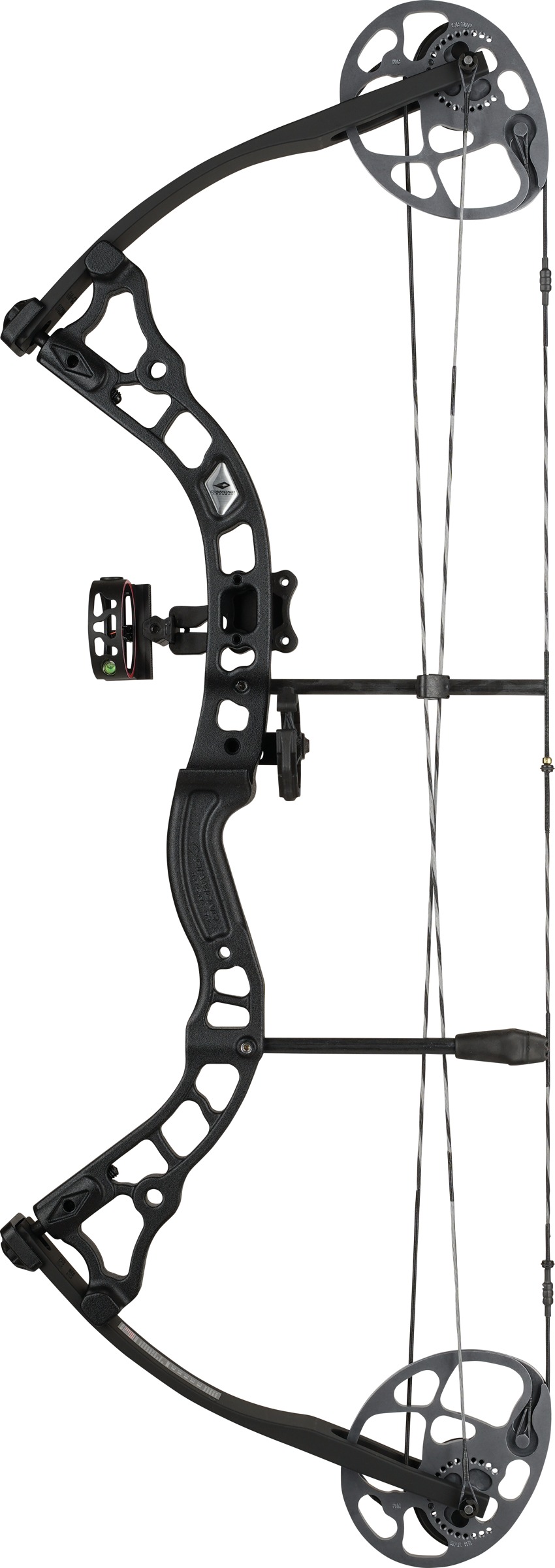
The Prism is the Edge platform scaled down for developing archers: 5 to 55 pounds and 18 to 30 inches of draw on a 31-inch frame at 3.2 pounds, with a genuinely forgiving 7-inch brace and 80 percent let-off. Its standout technical feature at this price is the synchronized binary cam system - both cams are slaved together, which means better nock travel and easier tuning than the single-cam bows that dominate the budget tier; BowAddicted's hands-on review called it a well-rounded pick for youth and small-framed adults alike. The roughly $299 price buys a package, but a slimmer one than its rivals: 3-pin Octane sight, arrow rest, peep, and nock - no quiver, no stabilizer, no arrows, so the true kit-out cost lands closer to $400. Be aware of its lineup status: the Prism no longer appears in Diamond's promoted range in 2026, making it a legacy model, though it remains widely stocked at Sportsman's Warehouse, Bass Pro, and Amazon in multiple colors. Against mid-range bows it gives up speed (295 fps IBO is sedate), the 55-pound ceiling is fine for deer but marginal for elk, and the bare-bones kit undercuts its value versus a Cruzer or Royale RTH. As a tuning-friendly trainer that can still kill a whitetail, it holds up.
PSE
PSE Uprising
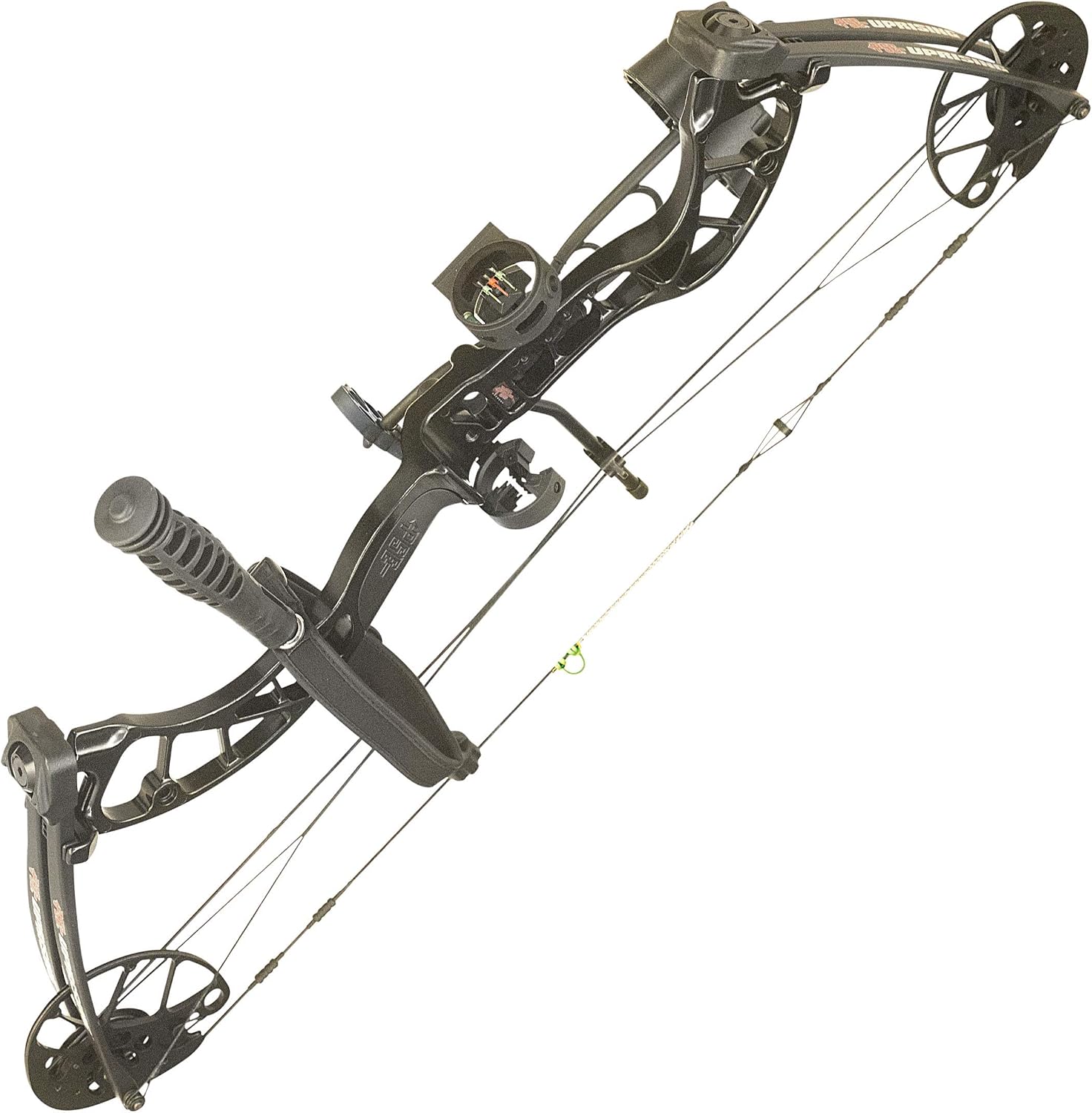
The Uprising is PSE's answer to the Edge and Cruzer, and it undercuts both on price: the Ready-to-Shoot package (3-pin sight, whisker-style rest, 5-arrow quiver, 6-inch stabilizer with sling) sells around $300 street, with sale prices dipping into the $260s. Adjustment range is legitimate - 14 to 30 inches of draw and 15 to 70 pounds, all module-based with no press - and at 310 fps ATA it out-runs the Edge XT on paper. Sportsman's Warehouse buyers rate it 4.8/5, and Women's Outdoor News praised how it grows with a shooter. The honest knocks: 70 percent let-off is the lowest in this class, so you hold roughly 18-21 pounds at full draw on a 65-70 lb setting - noticeably more than the 75-80 percent competition, which matters to new hunters waiting on a deer. The cam has a firmer hump toward the end of the cycle than the buttery Diamonds, and Amazon reviewers specifically call out the included rest as frustrating for beginners. Arrows and a release are not included. As pure bow-per-dollar, though, nothing name-brand beats it at $300, and PSE's lifetime warranty travels with a real dealer network.